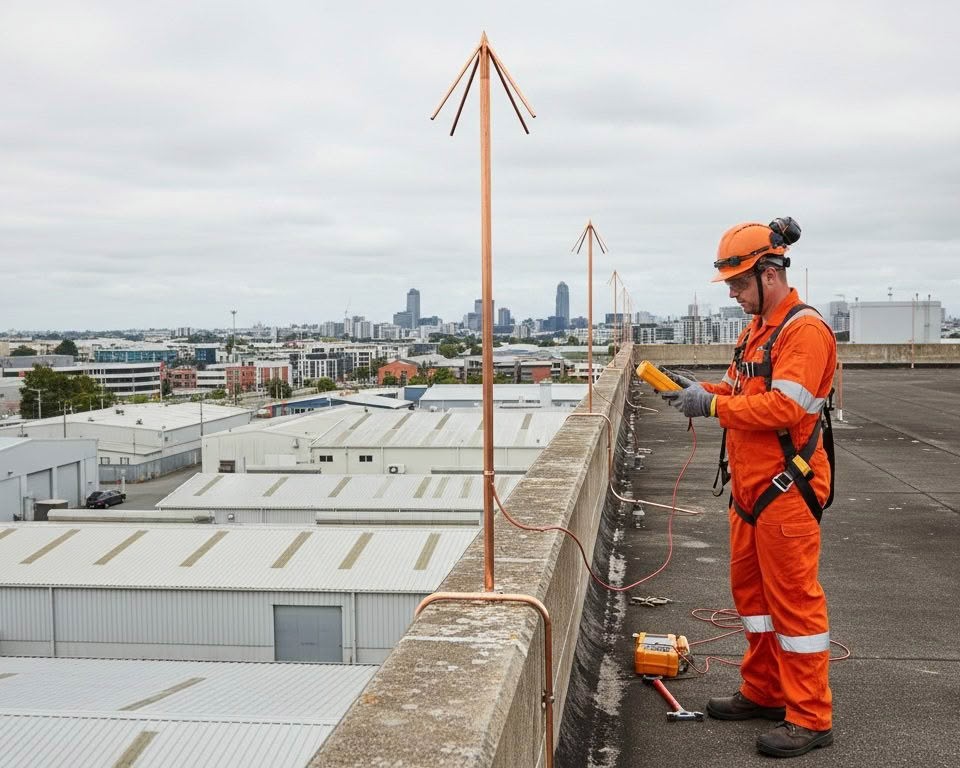
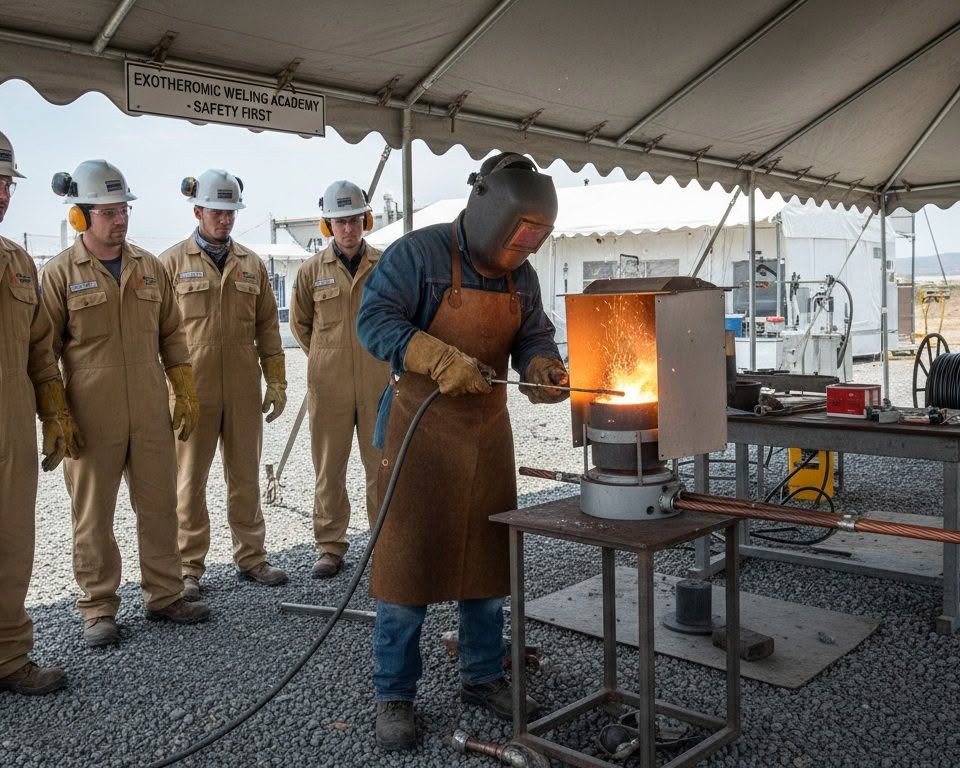
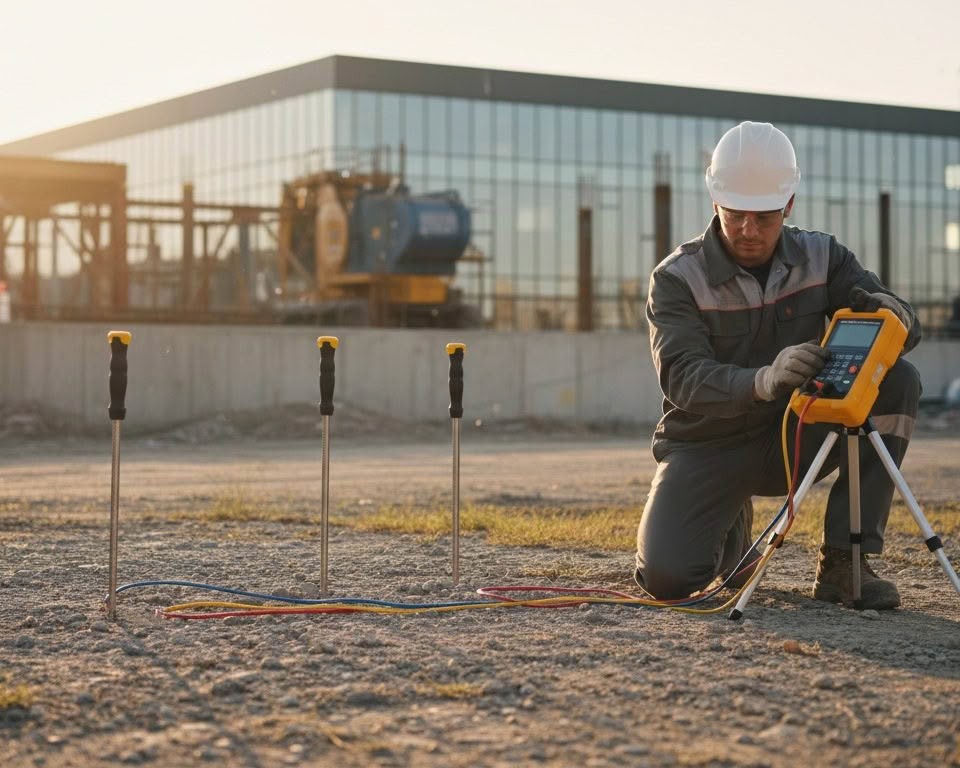
Earth resistance testing measures how effectively an electrical system is connected to the ground. It ensures that fault currents can safely dissipate, protecting both equipment and people.
Why it’s important
Over time, grounding systems can degrade due to corrosion, environmental conditions, or poor connections. This can lead to increased resistance, reducing system effectiveness and increasing risk.
Testing helps to:
- Ensure grounding systems are performing correctly
- Detect high resistance joints or faults
- Reduce risk to equipment and personnel
- Maintain compliance with electrical standards
How it’s used
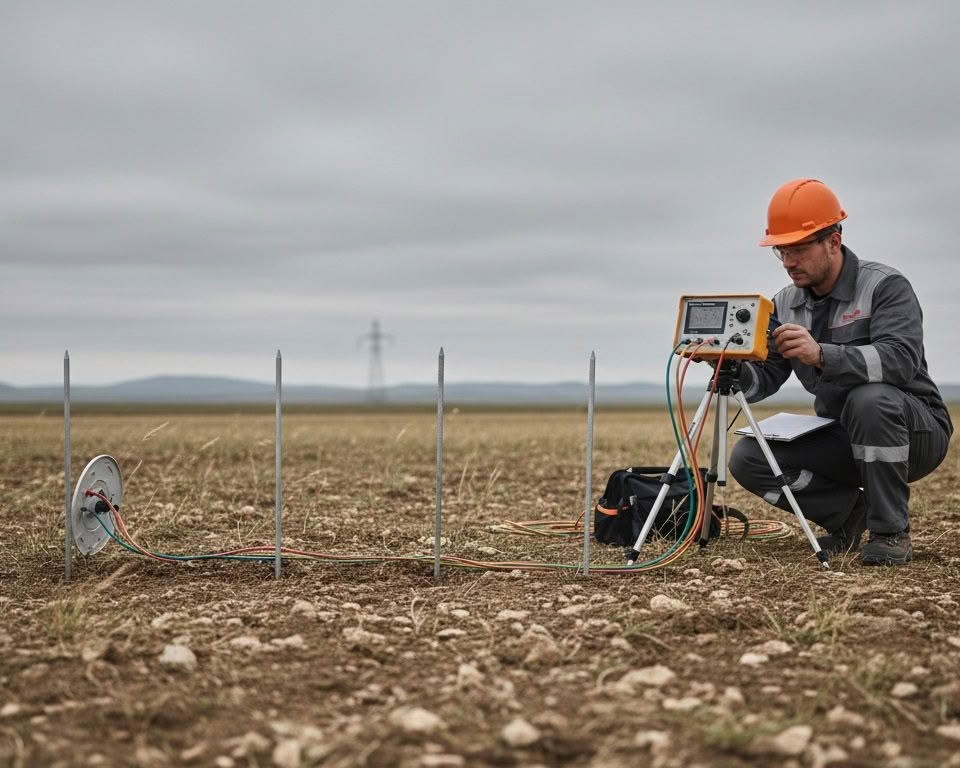
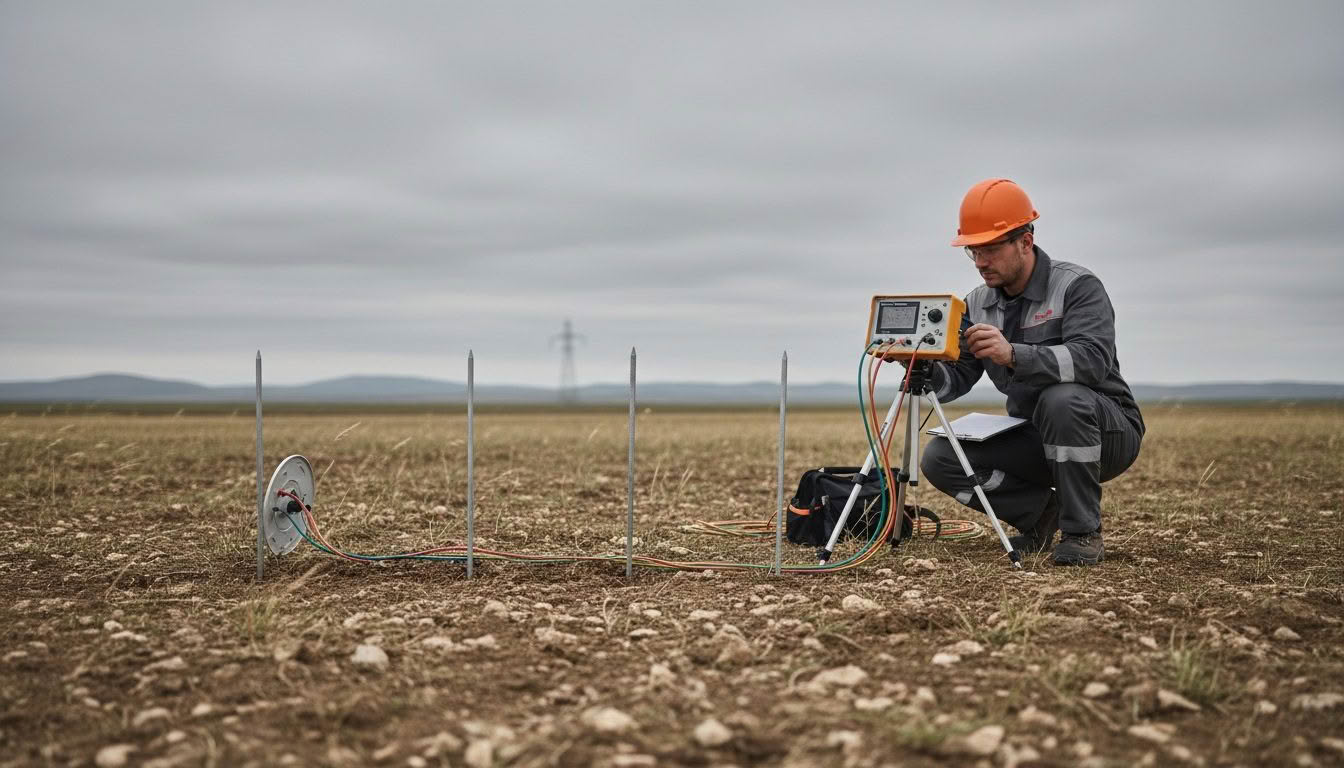
LPINZ uses industry-standard methods, including the commonly applied 3-point testing technique, to accurately measure earth resistance.
This process typically includes:
- Measuring resistance across the grounding system
- Identifying inconsistencies or high resistance areas
- Locating faults caused by corrosion or connection issues
- Assessing overall system performance
Testing is carried out using approved best practices to ensure accurate and reliable results.
LPINZ capability
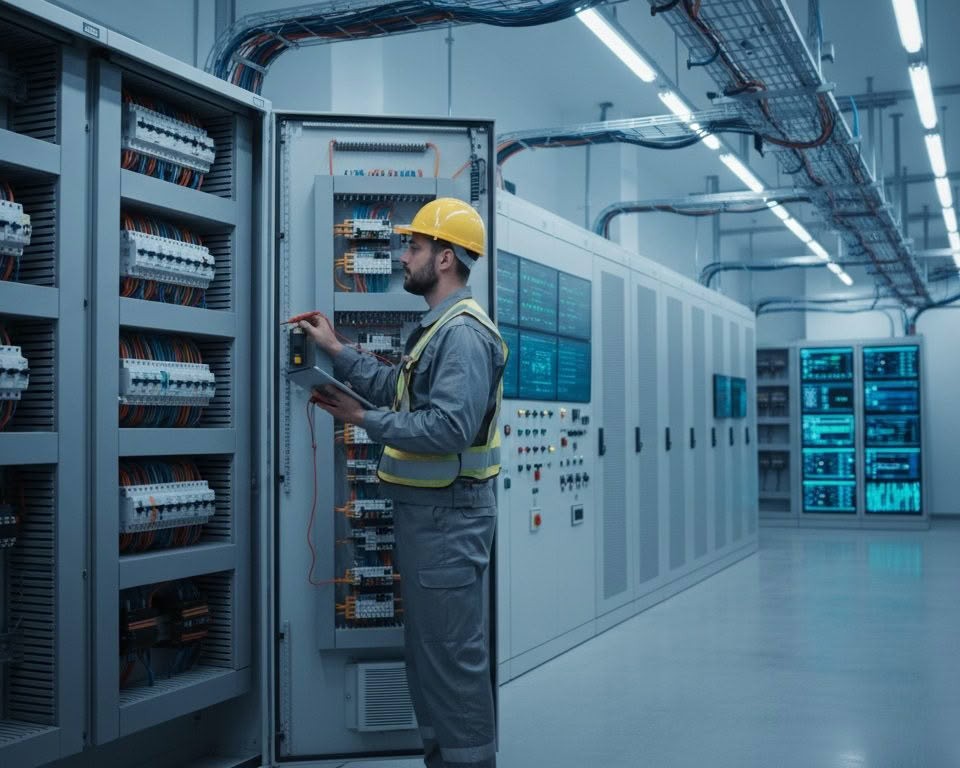
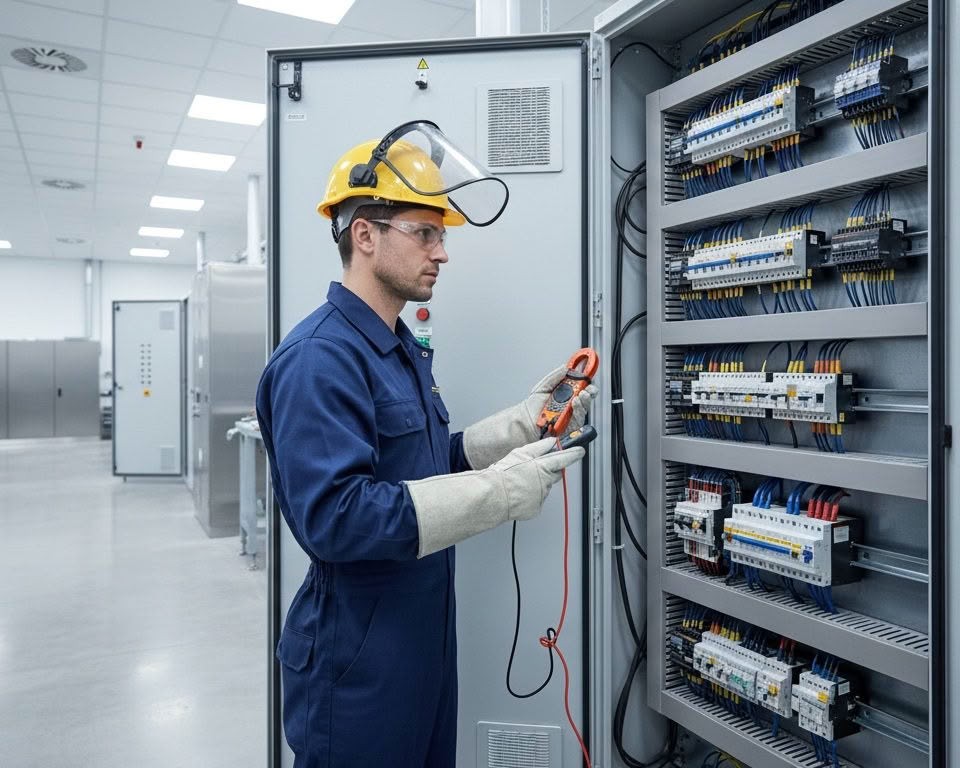
LPINZ provides earth resistance testing across a range of environments, from commercial buildings to industrial sites.
Services include:
- On-site testing using proven methodologies
- Identification and diagnosis of grounding issues
- Clear explanation of results and system performance
- Guidance on any required remediation or improvements
The outcome
Earth resistance testing provides confidence that your grounding system is operating effectively and safely.
This results in:
- Improved system reliability and safety
- Early detection of faults or degradation
- Reduced risk of electrical failure or damage
- Informed decisions for maintenance or upgrades