



Power quality issues are often invisible, but their impact can be significant, leading to equipment damage, inefficiencies, and unexpected downtime. Power quality analysis provides a clear understanding of how your electrical systems are performing, identifying disturbances and inconsistencies before they become critical problems.
Why it’s important
Undetected power quality issues can lead to unexpected faults, reduced efficiency, and irreversible damage to sensitive equipment. Problems such as voltage fluctuations, harmonics, and poor power factor often go unnoticed until they impact performance or cause costly downtime.
Power quality analysis provides visibility into these hidden issues, allowing them to be identified and addressed before they escalate.
How it’s used
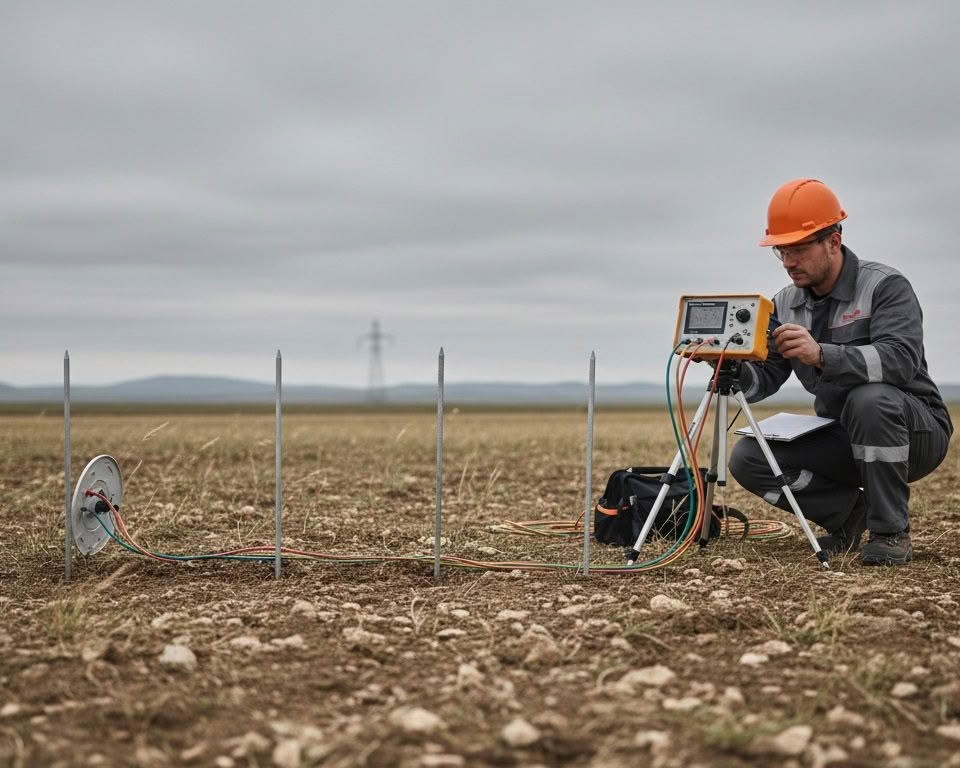
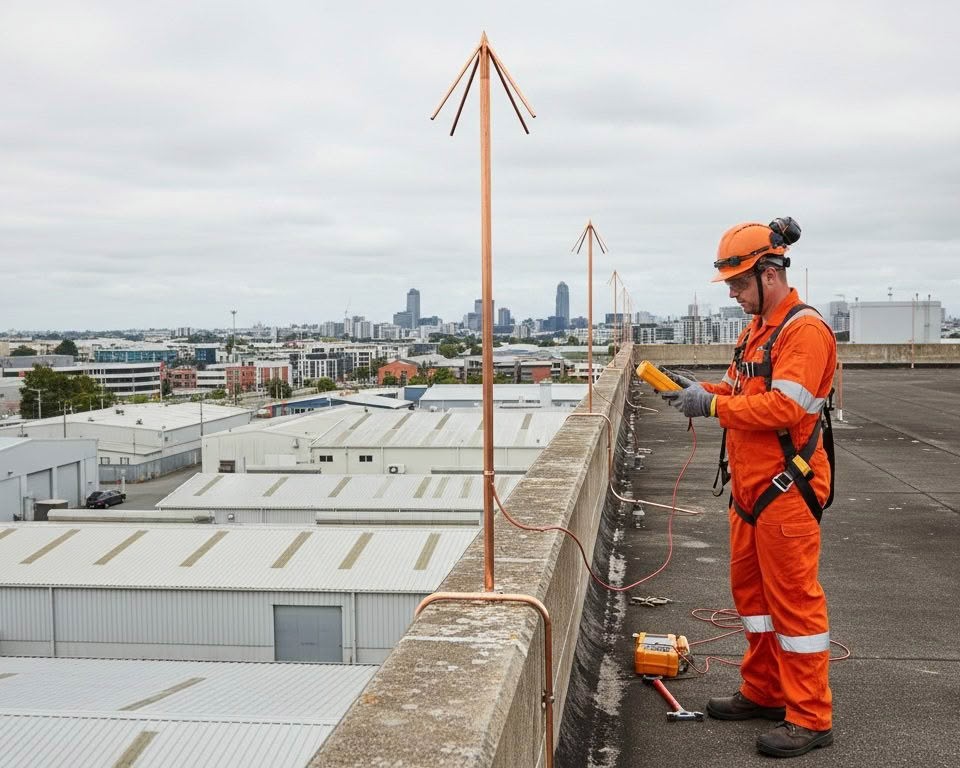
LPINZ conducts on-site power quality assessments using qualified technicians and specialised equipment.
This process typically includes:
- Recording key power parameters over time
- Analysing data to identify inconsistencies or disturbances
- Assessing factors such as harmonics and reactive power
- Evaluating the impact on existing systems and equipment
Based on the findings, a clear strategy is developed to resolve identified issues and improve overall system performance.
LPINZ capability
LPINZ delivers power quality analysis across a wide range of environments, including existing plants, commercial facilities, and industrial systems.
Depending on the scope, this may include:
- Reactive power management solutions
- Harmonic mitigation strategies
- System performance optimisation
- Targeted recommendations based on real data
Each assessment is tailored to the specific site and operational requirements, ensuring practical and effective outcomes.
The outcome
Power quality analysis enables informed decision-making and targeted improvements, resulting in:
- Reduced risk of equipment damage
- Improved system reliability and performance
- Increased energy efficiency
- Early detection of potential faults
- Long-term cost savings through preventative action